Celadon Patterns: A Versatile Design Resource for Creative Projects
Celadon Patterns is a digital design resource that offers a unique blend of elegance and versatility, making it a popular choice among crafters, designers, and creative professionals. Whether you're wrapping gifts, creating greeting cards, or designing wall art, these patterns can elevate your projects with their soft, muted tones and timeless appeal. This article explores what Celadon Patterns is, why it's worth considering, and how to use it effectively while avoiding common pitfalls.
Understanding Celadon Patterns
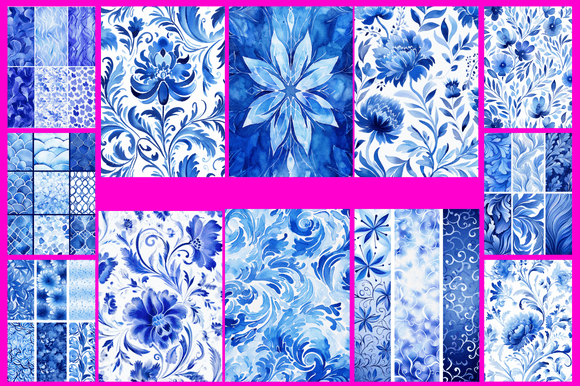
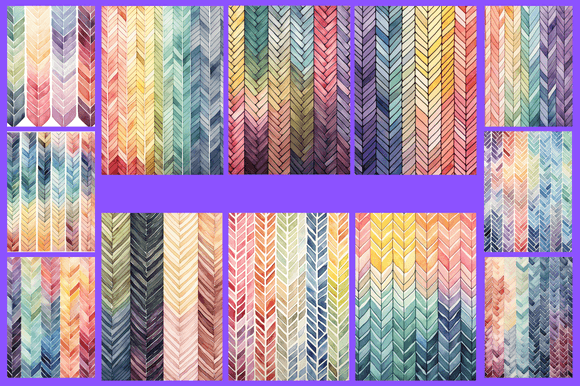
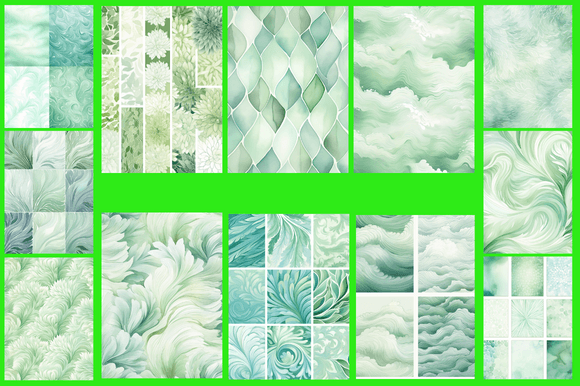
Celadon Patterns consists of 12 high-resolution digital papers contained within a single zip file. These designs are perfect for a wide range of applications, including gift wrapping, scrapbooking, stationery, and more. The patterns are designed to be printed on various surfaces, from paper to acrylic tumblers, allowing for creative flexibility.
The term "celadon" refers to a type of ceramic glaze known for its pale blue-green color, often associated with traditional Asian pottery. In the context of design, celadon patterns capture that same serene and sophisticated aesthetic, making them ideal for those who appreciate minimalist and classic styles.
Why Choose Celadon Patterns?
Celadon Patterns are appealing for several reasons. First, they offer a cohesive set of designs that work well together, which is especially useful for projects that require a unified look. Second, the high-resolution files ensure that the patterns remain crisp and clear even when printed at larger sizes. Finally, the versatility of these designs allows them to be used in both personal and professional contexts, from handmade gifts to commercial branding materials.
However, there are some considerations to keep in mind before purchasing or using Celadon Patterns. Understanding these factors can help you make the most of this resource without falling into common traps.
Common Mistakes When Using Celadon Patterns
While Celadon Patterns are a valuable tool, there are several mistakes that users often make. One of the most common is assuming that the colors will appear exactly as shown on screen. Since actual colors may vary slightly due to monitor settings, it's important to check the final printout before committing to a large project.
Another mistake is not considering the printing method. Depending on how you choose to print the image, the quality and color accuracy can vary significantly. For instance, printing on glossy paper versus matte paper can produce different results. It's essential to test the pattern on the intended material before proceeding with a full project.
A third common error is underestimating the importance of resolution when scaling the design. While the files are high-resolution, enlarging them too much can lead to pixelation or loss of detail. Always ensure that the pattern is scaled appropriately for the intended use.
How to Avoid Common Pitfalls
To avoid these issues, start by reviewing the product description carefully. Look for information about color accuracy, resolution, and recommended printing methods. If possible, request a sample or preview of the pattern on the intended material to ensure it meets your expectations.
Additionally, consider the purpose of your project when choosing a pattern. Some designs may be better suited for certain applications than others. For example, a subtle celadon pattern might work well for stationery but could be too faint for a bold statement piece like a tumbler wrap.
Finally, always keep a backup of your digital files. Although the zip file is convenient, it's wise to store the patterns in multiple locations to prevent data loss. This is especially important if you plan to use them frequently or for long-term projects.
Maximizing the Value of Celadon Patterns
To get the most out of Celadon Patterns, think creatively about how to apply them. Experiment with different textures and surfaces to see how the patterns interact with various materials. You might find that a celadon design looks stunning on fabric or wood, adding a new dimension to your projects.
Consider combining Celadon Patterns with other design elements, such as hand-drawn illustrations or photographs, to create a more dynamic composition. Layering patterns can add depth and interest, but it's important to maintain balance so that the design doesn't become overwhelming.
If you're unsure about how to incorporate a particular pattern into your project, look for inspiration online or in design communities. Many creators share their work, offering valuable insights into how to use similar patterns effectively.
Final Thoughts
Celadon Patterns offer a beautiful and versatile option for anyone looking to enhance their creative projects. By understanding the potential challenges and taking steps to avoid common mistakes, you can ensure that your finished pieces meet your expectations and exceed your audience's satisfaction. Whether you're a beginner or an experienced designer, these patterns can be a valuable addition to your toolkit, helping you bring your vision to life with style and sophistication.