Exploring the Versatility of Digital Patterns in Creative Projects
Digital patterns have become an essential tool for creators across various industries, offering a blend of flexibility and precision that traditional methods often lack. These digital assets are not just decorative elements; they serve as functional tools that enhance productivity and creativity. When considering the use of Digital Patterns, it's important to understand their features, applications, and the value they bring to different types of projects.
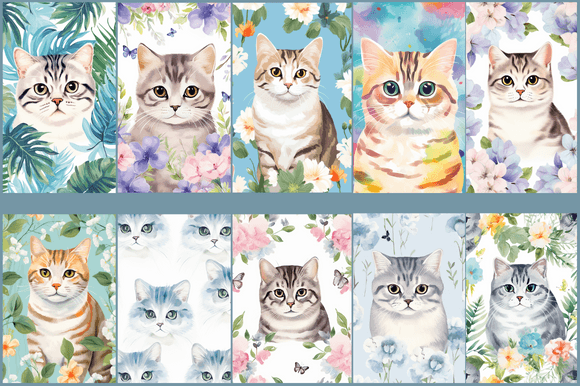
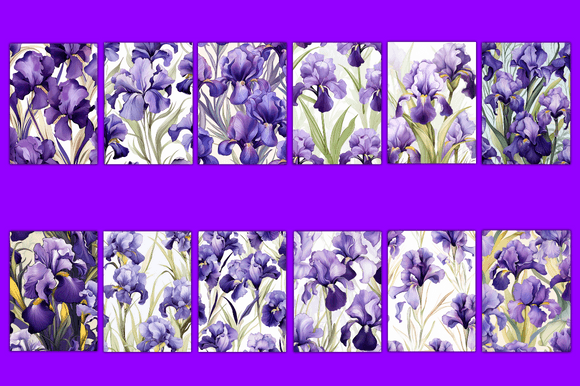
The Digital Patterns collection includes 12 high-resolution digital papers within a single zip file. Each pattern is designed with attention to detail, ensuring that users can achieve professional results whether they're working on print or digital media. The resolution of these files makes them suitable for a wide range of uses, from small-scale crafts like greeting cards to larger projects such as wall art or planner designs.
Understanding the Components of Digital Patterns
The Digital Patterns package offers more than just visual appeal. It provides creators with a comprehensive set of resources that cater to both novice and experienced users. The inclusion of multiple digital papers ensures that there is something for every project, regardless of the theme or style required.
- High-Resolution Files: All images are provided in high resolution, making them ideal for printing without loss of quality. This feature is especially beneficial for those who plan to use the patterns on physical items like gift wrapping or acrylic tumbler wraps.
- Compatibility: The digital format allows for easy integration into various design software, enabling users to customize the patterns according to their specific needs. Whether using Adobe Illustrator, Photoshop, or even free online tools, the versatility of these files is unmatched.
- Color Variations: While the actual colors may vary slightly due to monitor settings, the digital nature of these patterns ensures that the vibrancy and clarity of the designs remain intact when printed. This adaptability is crucial for achieving consistent results across different mediums.
Applications of Digital Patterns Across Industries
The applications of Digital Patterns extend far beyond simple decoration. Their utility spans across multiple sectors, including education, business, and personal hobbies. Let's explore some of the key areas where these patterns can be effectively utilized.
Education and Learning Tools
In educational settings, digital patterns can be used to create engaging learning materials. Teachers and educators can incorporate these designs into lesson plans, worksheets, or interactive presentations. For instance, using themed patterns for math problems or science diagrams can make learning more visually appealing and stimulating for students.
Moreover, digital patterns can aid in developing fine motor skills among young learners through hands-on activities such as cutting out shapes or tracing lines. This approach not only enhances creativity but also supports cognitive development in children.
Business and Marketing
For businesses, the use of Digital Patterns can significantly enhance branding efforts. Companies can leverage these designs to create eye-catching promotional materials, such as flyers, brochures, or social media graphics. The ability to customize patterns ensures that the brand identity remains consistent while still being adaptable to different marketing strategies.
Additionally, digital patterns can be used in packaging design to create a unique and memorable product experience. By incorporating thematic patterns that align with the brand’s message, companies can differentiate themselves in a competitive market.
Crafting and DIY Enthusiasts
Crafters and DIY enthusiasts will find Digital Patterns invaluable for their creative pursuits. From scrapbooking to making custom stickers, these patterns provide endless possibilities for personal expression. The ease of downloading and using these files means that even those with limited technical skills can enjoy the benefits of digital design.
One popular application is in the creation of personalized invitations or greeting cards. By selecting a pattern that reflects the occasion, individuals can craft meaningful messages that resonate with their recipients. Furthermore, the ability to print these designs at home reduces the need for expensive printing services, making it more accessible for hobbyists.
Considerations for Using Digital Patterns
While Digital Patterns offer numerous advantages, there are certain considerations that users should keep in mind to ensure optimal results. Understanding these factors can help in making informed decisions about how best to utilize these resources.
Printing Quality
The final appearance of a printed design depends heavily on the quality of the paper and printer used. High-resolution files are essential for achieving sharp details, but the choice of paper type and weight can also affect the outcome. Users should experiment with different printing options to determine what works best for their specific needs.
Design Customization
Although the provided patterns are ready to use, customization is often necessary to suit individual preferences or project requirements. This involves adjusting colors, adding text, or combining multiple patterns to create a cohesive design. Familiarity with design software can greatly enhance this process, allowing for greater creativity and control over the final product.
Licensing and Usage Rights
It is crucial to understand the licensing terms associated with Digital Patterns. Most digital products come with specific usage rights that dictate how they can be used commercially or personally. Users should always review these terms to avoid any legal issues related to unauthorized use or distribution.
Conclusion
Digital Patterns represent a powerful resource for anyone looking to enhance their creative projects. Whether you're an educator, a business owner, or a hobbyist, these versatile digital assets can elevate your work and inspire new ideas. By understanding the components, applications, and considerations involved, users can fully leverage the potential of Digital Patterns to achieve outstanding results in their respective fields.