Minimalistic Shapes Patterns: A Timeless Design Choice for Creative Projects
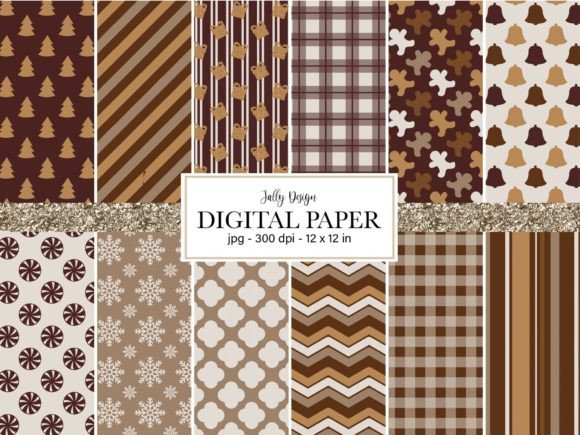
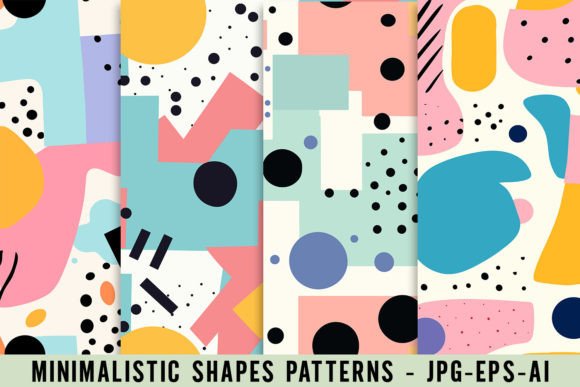
Minimalistic Shapes Patterns offer a refined and versatile approach to design, emphasizing clean lines and simple geometric forms. This style typically includes basic shapes like circles, squares, triangles, and rectangles, arranged in a way that feels both modern and classic. These patterns are often defined by their subtle color palettes and lack of unnecessary detail, making them highly adaptable for various creative applications.
Understanding Minimalistic Shapes Patterns
At its core, Minimalistic Shapes Patterns is about simplicity. The focus is on the fundamental building blocks of design—geometric shapes—arranged in a structured yet artistic manner. Unlike more intricate or ornate patterns, this style avoids complexity, relying instead on balance, proportion, and negative space to create visual interest.
The use of clean lines and limited color schemes ensures that these patterns do not overwhelm the viewer. Instead, they provide a sense of calm and order, which can be particularly effective in environments where clarity and focus are essential.
Why Consider Minimalistic Shapes Patterns?
There are several compelling reasons why someone might choose to incorporate Minimalistic Shapes Patterns into their work. One of the most significant advantages is versatility. These patterns can be applied across a wide range of mediums, from digital interfaces and print materials to interior design and fashion.
Another key benefit is scalability. Because of their simple composition, these patterns maintain their integrity at different sizes, making them ideal for both small-scale details and large-format projects. Additionally, the timeless nature of geometric shapes means that these patterns are unlikely to become outdated, offering long-term value.
Benefits and Tradeoffs
The primary benefits of Minimalistic Shapes Patterns include their adaptability, visual clarity, and ease of integration into various design contexts. They also tend to be easier to produce in high-quality formats such as JPG, EPS, and AI files, ensuring that they remain crisp and clear even when scaled up.
However, there are some tradeoffs to consider. The simplicity of these patterns may not be suitable for projects that require a more dynamic or expressive visual language. In such cases, the lack of complexity could result in a design that feels too restrained or underdeveloped.
Additionally, while the limited color palette offers a sense of sophistication, it may not be appropriate for all branding or aesthetic goals. Designers who need to convey a broader emotional range or more intricate visual storytelling may find these patterns insufficient.
Situations Where Minimalistic Shapes Patterns Excel
Minimalistic Shapes Patterns are particularly well-suited for projects that prioritize clarity, elegance, and timelessness. They are an excellent choice for minimalist branding, modern web design, and professional print materials such as business cards, brochures, and packaging.
In interior design, these patterns can be used to create a cohesive and serene atmosphere, especially in spaces that aim for a contemporary or Scandinavian aesthetic. Similarly, in fashion and textile design, they can add a subtle yet distinctive touch to garments and home décor items.
For digital projects, such as user interfaces and app designs, Minimalistic Shapes Patterns help maintain a clean and uncluttered look, enhancing usability and improving the overall user experience.
When Alternatives May Be More Suitable
While Minimalistic Shapes Patterns have many strengths, they may not be the best fit for every project. If a designer is looking to create something more expressive, detailed, or culturally specific, alternative pattern styles—such as floral motifs, abstract art, or ethnic designs—may be more appropriate.
Projects that require a strong emotional impact or narrative depth may also benefit from more complex or layered patterns. In such cases, the simplicity of Minimalistic Shapes Patterns could limit the ability to convey the intended message effectively.
Furthermore, if a project requires frequent updates or changes, the rigidity of geometric patterns may make them less flexible compared to more fluid or organic design approaches.
Practical Insights for Decision-Making
When deciding whether to use Minimalistic Shapes Patterns, it's important to consider the overall goals of the project. Ask yourself: Does the design need to communicate simplicity, professionalism, or a modern feel? Are there any constraints related to color, scale, or medium that might affect the suitability of this pattern type?
Evaluating the target audience is also crucial. If the audience prefers a more traditional or conservative aesthetic, Minimalistic Shapes Patterns may be a good match. However, if the audience is looking for something more vibrant or unconventional, other options may be more effective.
Finally, consider the long-term implications of your design choices. Will this pattern remain relevant over time? How does it align with current design trends and future expectations? Making an informed decision based on these factors can help ensure that the chosen pattern supports the project's success.